
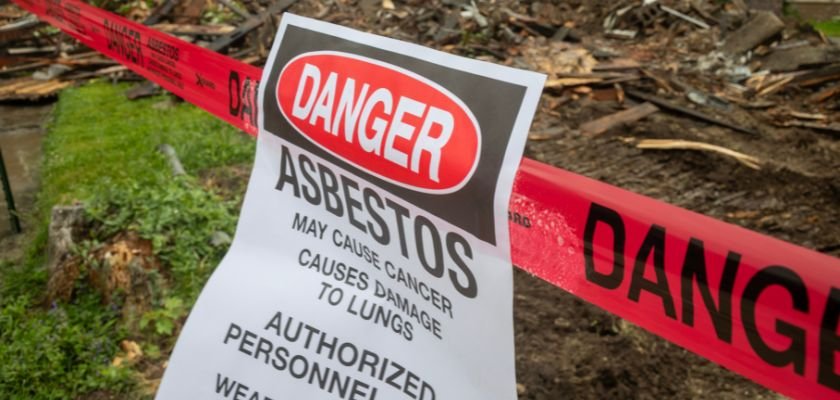
How Dangerous Is Asbestos Exposure?
Asbestos exposure is considered highly dangerous and is directly linked to serious, often fatal diseases. There is no known safe level of asbestos exposure according to U.S. health authorities.
Why asbestos is dangerous
Asbestos is made of microscopic fibers that can become airborne when asbestos-containing materials are disturbed. When inhaled, these fibers can lodge deep in the lungs or other tissues. The human body cannot break them down or remove them effectively, which leads to long-term damage.
Diseases caused by asbestos exposure
Scientific and medical evidence confirms that asbestos exposure can cause several severe illnesses. These include mesothelioma, a rare and aggressive cancer that affects the lining of the lungs, abdomen or heart, lung cancer, asbestosis which is a chronic scarring of lung tissue, and pleural diseases such as thickening or fluid buildup around the lungs. Symptoms often appear decades after exposure, typically 20 to 50 years later.
Is short-term exposure dangerous?
Even short-term or low-level exposure can be harmful, especially if fibers are inhaled. U.S. agencies such as the Environmental Protection Agency and the Centers for Disease Control and Prevention state that no amount of asbestos exposure has been proven safe. Repeated or prolonged exposure significantly increases health risks.
Who is most at risk
People at higher risk include construction workers, demolition crews, plumbers, electricians, firefighters, shipyard workers and anyone involved in renovation or maintenance of older buildings. Homeowners may also be at risk if asbestos-containing materials are disturbed without proper safety measures.
Why asbestos exposure is still a concern today
Although asbestos use has declined in the United States, it remains present in many older homes, schools and commercial buildings. Exposure risk continues during renovations, repairs or demolition when asbestos is not properly identified and handled by licensed professionals.
Asbestos exposure is extremely dangerous and can lead to life-threatening diseases years after contact. Because the health effects are severe and irreversible, asbestos must always be treated as a serious hazard and managed only by trained and certified professionals.
Sources
- U.S. Environmental Protection Agency (EPA) – Asbestos Overview: https://www.epa.gov/asbestos
- Centers for Disease Control and Prevention (CDC) – Asbestos Toxicity: https://www.atsdr.cdc.gov/asbestos/index.html
- National Cancer Institute – Asbestos and Cancer Risk: https://www.cancer.gov/about-cancer/causes-prevention/risk/substances/asbestos