
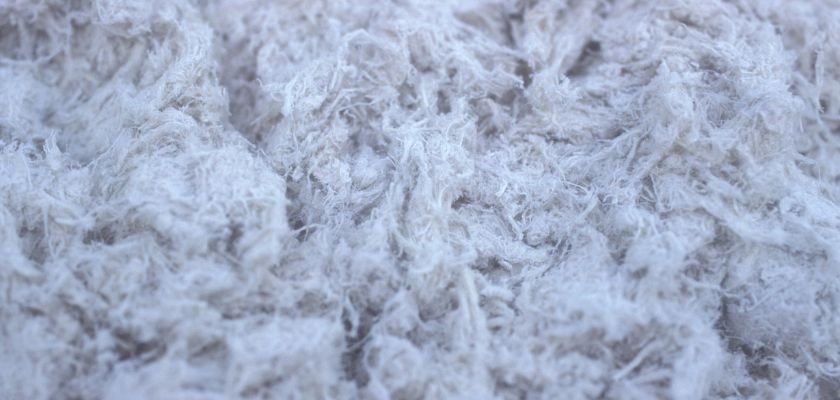
What Does Asbestos Look Like?
Asbestos cannot be reliably identified by appearance alone. In most cases, it does not have a distinct look that allows homeowners or workers to recognize it without professional testing.
Why asbestos is hard to identify
Asbestos fibers are microscopic and cannot be seen with the naked eye. When asbestos is present in building materials, it is mixed with other substances such as cement, glue or insulation. This means asbestos-containing materials often look similar to non-asbestos materials.
Common materials that may contain asbestos
In the United States, asbestos may be found in materials such as pipe insulation, boiler insulation, vinyl floor tiles, roofing shingles, siding, ceiling tiles, joint compound and cement boards. These materials can appear solid, fibrous, powdery or textured depending on the product and its condition.
Friable vs non-friable asbestos
Asbestos-containing materials are classified as friable or non-friable. Friable asbestos can be crumbled by hand pressure and is more likely to release fibers into the air. Non-friable asbestos is more tightly bound and less likely to release fibers unless it is cut, sanded or damaged.
Why visual inspection is not enough
Because asbestos looks similar to many common materials, visual inspection alone is unreliable and unsafe. Disturbing a suspected material to check it can release fibers and increase exposure risk. Only laboratory analysis can confirm the presence of asbestos.
Asbestos does not have a unique or easily recognizable appearance. Since it cannot be identified by sight, professional testing is the only safe and accurate way to determine whether a material contains asbestos.